The Right Solution for Every Setting
HeadApp combines patient management, bedside therapy in hospitals, telepractice tools for assigning home-based therapy tasks, structured outcome reporting, multi-device access, and multilingual support in one integrated cognitive screening, therapy, and language rehabilitation system for clinics, hospitals, outpatient settings, private practices, and special education.

One Platform. Multiple Environments.
HeadApp adapts to healthcare providers, therapists, and educators alike. Screening, therapy programs, and progress monitoring work seamlessly across different care settings - from outpatient clinics to classrooms.
Private Practices
Deliver effective sessions with ready-to-use exercises. Extend care beyond the clinic with home training telepractice.
Better outcomes, less paperwork.
Clinics
Standardize therapy across teams and departments. Track patient progress objectively from acute care through outpatient follow-up.
Consistent quality across all recovery phases.
Schools
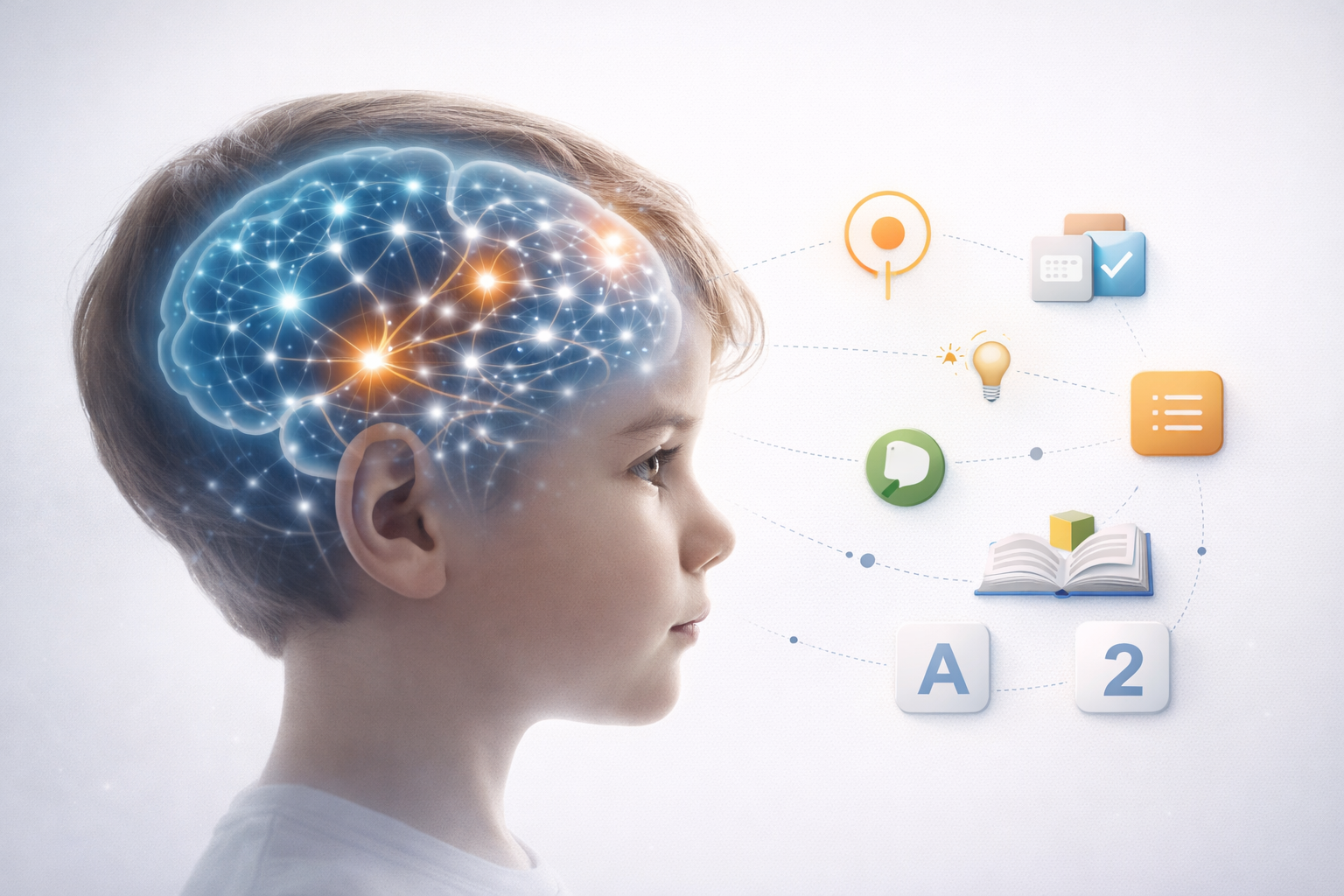
Strengthen attention, concentration, working memory, and executive functions essential for learning. Works on any device students already use.
Cognitive support where learning happens.
Bedside & Independent Self-Training: A Special Feature for Clinics and Rehabilitation Facilities
HeadApp enables self-training at the hospital bedside, on shared facility devices, or in the patient room on a personal tablet, allowing patients to continue therapy independently outside scheduled sessions. Therapists can configure access, assign approved modules, and restrict setting changes, while patients log in quickly and securely with a simple 4-digit ID.
Instruction Self-Training in Clinic (PDF)Neurological and Neurodegenerative Impairments
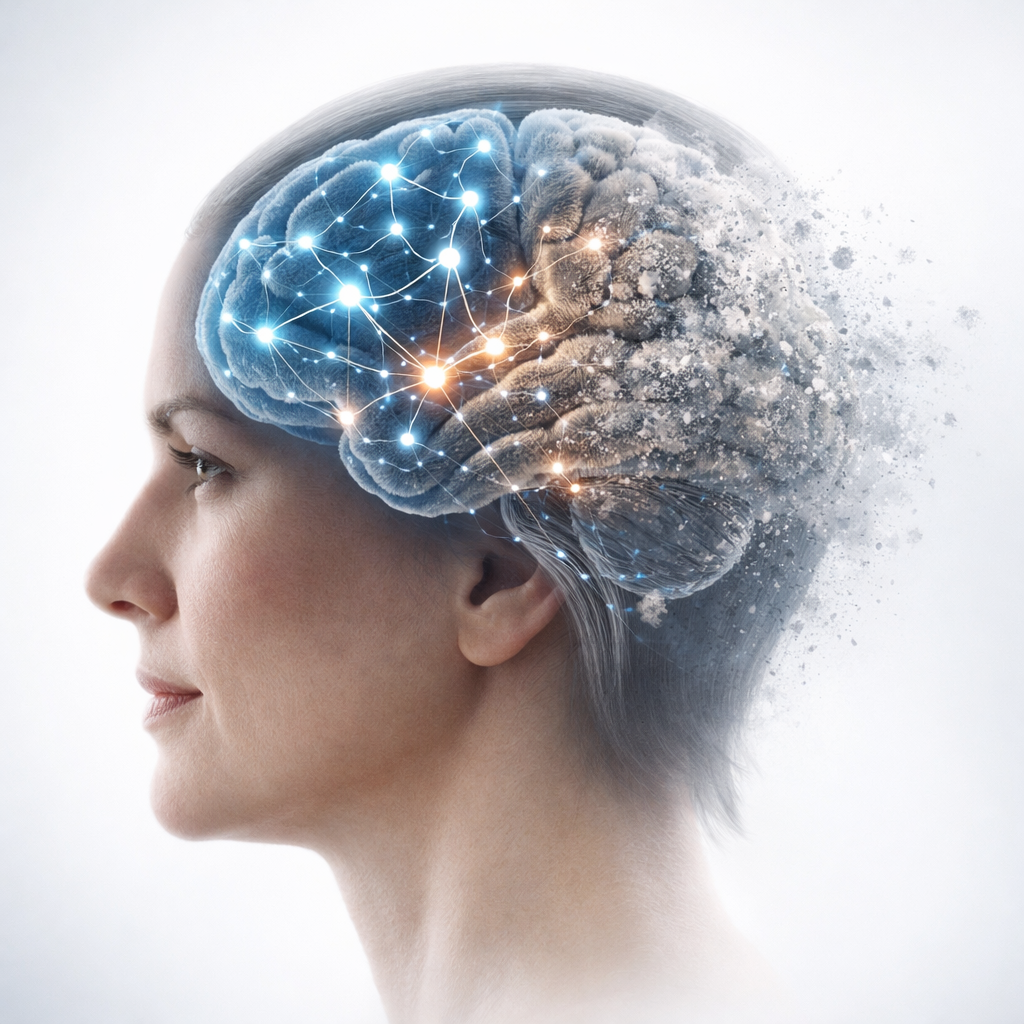
Cognitive impairments - ranging from reduced attention and working memory to deficits in executive function, processing speed, language, and special education-related learning skills - are common across many neurological and clinical conditions.
Neurological and Neurodegenerative
Stroke
Cognitive deficits play a significant role in stroke rehabilitation, affecting memory, speech, executive functions, motor and visual skills. Tailored therapies and goal-driven programs can help individuals overcome the impact of stroke.
Traumatic Brain Injury (TBI)
TBI can cause a wide range of changes affecting thinking, sensation, language, emotions, and physical abilities. Comprehensive, customized rehabilitation enables survivors to overcome challenges and reclaim their lives.
Concussion
A concussion is the mildest form of TBI. Effects are usually temporary but can include headaches and problems with concentration, memory, balance and coordination.
Multiple Sclerosis
MS can produce motor, sensory, and cognitive symptoms. Cognitive symptoms include slowed thinking speed, difficulties paying attention, reduced recent memory, word finding, and trouble with problem solving.
Parkinson's Disease
Cognitive impairments can manifest alongside motor symptoms and may involve issues with memory retention, attention, executive function, and the capacity to plan and coordinate tasks.
Mild Cognitive Impairment (MCI)
MCI is the stage between the expected cognitive decline of normal aging and the more serious decline of dementia. It's characterized by problems with memory, language, thinking or judgment.
Dementia
Dementia encompasses the progressive loss of cognitive abilities - thinking, remembering, and reasoning. Cognitive screening and training play pivotal roles in early identification and targeted interventions. Cognitive training can help maintain and improve cognitive functions, support brain plasticity, and enhance everyday functioning for as long as possible.
Cerebral Palsy (CP)
CP is associated with cognitive impairments, learning difficulties and reduced social participation. With the right cognitive therapies, a child can learn to work within his or her limits.
Other Conditions
Post-Chemotherapy
Chemo brain includes confusion, difficulty concentrating, short-term memory problems, and trouble with verbal memory. Cognitive training helps strengthen cognitive abilities affected by chemotherapy.
Premature Birth Effects
Long-term cognitive effects of premature birth can benefit from early intervention and structured cognitive training programs.
Neurodevelopmental Disorders
ADHD
HeadApp addresses working memory challenges commonly linked to ADHD. Regular use can enhance working memory and attention, helping individuals maintain focus and stay organized.
Learning Disabilities
Structured cognitive training supports children and adolescents with various developmental cognitive challenges affecting academic performance.
Psychiatric Disorders
Deficits in cognitive function are common across many psychiatric disorders and may affect attention, working memory, social cognition, and language. The pattern of impairment often varies depending on the specific condition. Research shows that computer-aided cognitive remediation therapy can help improve cognitive performance and everyday functioning. Some cognitive deficits can therefore be improved, compensated for, or partially restored through targeted intervention.
Depression
Deficits in cognitive function - from decreased attention to disrupted social cognition - are common in psychiatric disorders. Computer-aided cognitive remediation improves cognitive performance and real-life functioning.
Schizophrenia
Psychiatric disorders are associated with complex patterns of cognitive impairment. Certain cognitive impairments can be improved, rectified or compensated through targeted interventions.
Addiction
Cognitive rehabilitation supports recovery by addressing attention, impulse control, and executive function deficits associated with addiction.
PTSD
PTSD is often associated with cognitive challenges such as difficulties with attention, memory, and processing speed. Structured cognitive exercises and step-by-step approaches can help improve outcomes.
Testimonials
Trusted by Professionals Worldwide
As a solo practitioner, I needed something that works without an IT department. HeadApp runs on any device, the onboarding took 15 minutes, and my patients can continue exercises at home between sessions.
Rachel Thompson
Speech-Language Pathologist, Private Practice, Austin, TX
HeadApp has become an essential part of our neurorehabilitation programs, especially in the treatment of TBI. It enables structured cognitive training and extends therapy beyond supervised sessions, supporting better patient outcomes.
Jeffrey Winston
Director of Neurotrauma Institute Rehabilitation, Excelsia Injury Care, Director, Baltimore Work Rehab, Excelsia Injury Care
Start Using Professional Cognitive Rehabilitation Software
HeadApp is trusted by healthcare professionals, therapists, and educators worldwide to deliver structured cognitive rehabilitation and therapy. Start using HeadApp to improve therapy outcomes, support cognitive recovery, and deliver modern digital cognitive therapy.